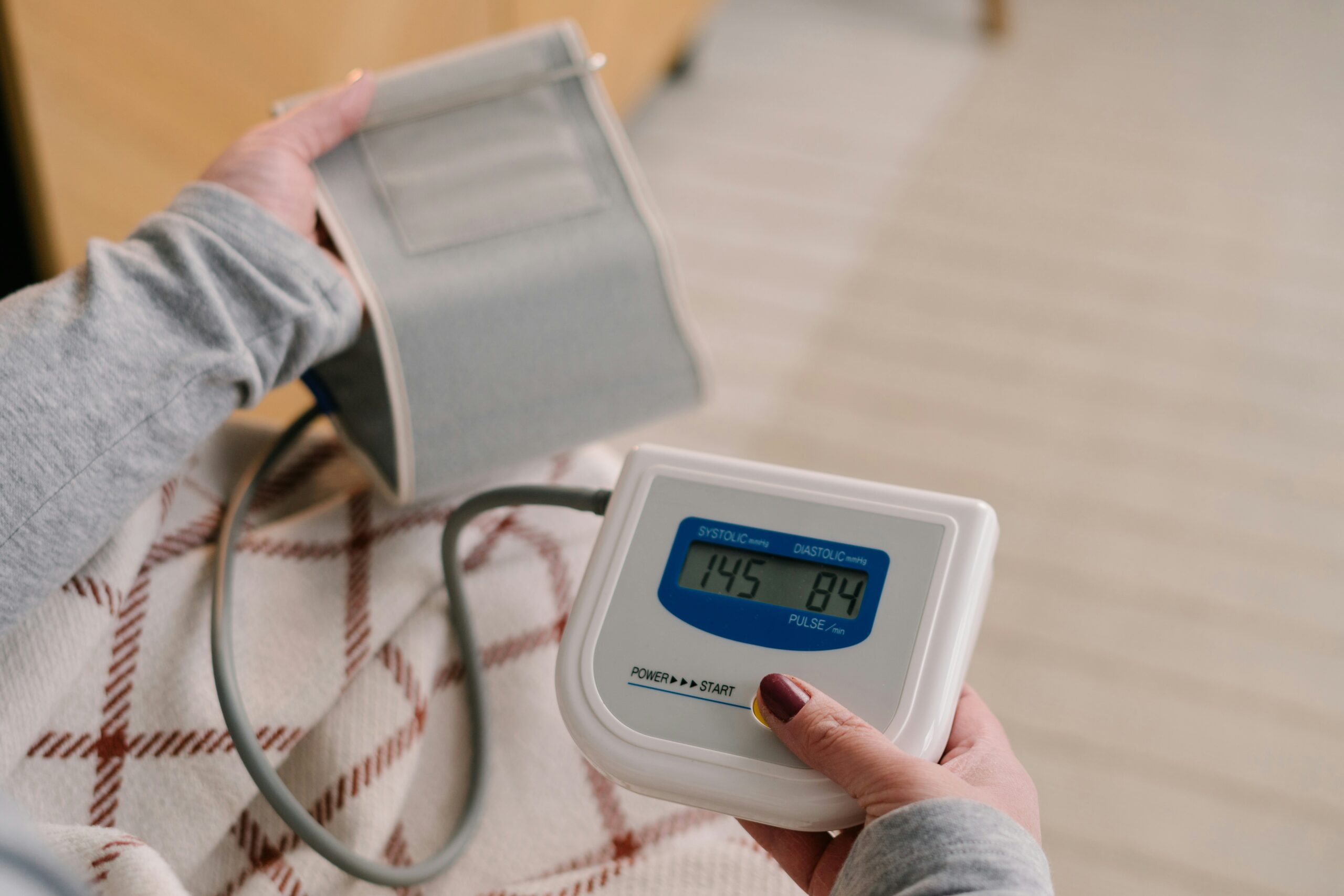
Closing a deal in medical device sales requires far more than a persuasive pitch; therefore, successful professionals focus on trust, modern education, and long-term value. Because healthcare decisions directly impact patient outcomes, buyers expect accuracy, credibility, and confidence from sales representatives. Moreover, understanding clinical needs and aligning them with practical solutions helps transform conversations into meaningful partnerships rather than one-time transactions.
At the same time, the medical device market continues to evolve with new regulations, advanced technologies, and increasing competition. Consequently, sales professionals must refine their strategies to remain relevant and practical. By applying proven methods and adapting to buyer expectations, representatives can consistently move prospects from interest to commitment while maintaining ethical standards.
Understanding the Buyer’s Clinical and Business Needs
First, successful medical device sales begin with a deep understanding of the buyer’s clinical challenges; therefore, research should always come before outreach. Physicians, procurement teams, and hospital administrators each have unique priorities, so tailoring conversations is essential. Moreover, asking thoughtful questions helps uncover pain points related to patient care, workflow efficiency, or cost management.
Second, understanding business constraints strengthens credibility and accelerates trust. However, many deals stall because sales professionals focus only on product features rather than outcomes. Therefore, when you connect device benefits to improved patient results, reduced complications, or long-term savings, decision-makers feel confident moving forward. As a result, alignment between clinical value and business goals becomes a powerful driver toward closing the deal.
Building Trust Through Education and Compliance
Education plays a critical role in medical device sales; consequently, buyers respond more favorably to informed, transparent representatives. Instead of pushing a product aggressively, effective sales professionals explain how the device works, where it fits in treatment protocols, and why it matters. Moreover, sharing clinical data, case studies, and peer-reviewed research builds authority and reduces skepticism.
Compliance also reinforces trust, especially in a highly regulated industry. Therefore, adhering strictly to FDA guidelines, hospital policies, and ethical standards protects both the buyer and the seller. However, compliance should not feel restrictive; instead, it should strengthen credibility. When buyers see consistency and integrity, they feel reassured and more willing to finalize agreements.
Demonstrating Value Through Real-World Evidence
Demonstrating value goes beyond product specifications; real-world evidence is thus essential. Healthcare professionals want proof that a device performs effectively in actual clinical settings. Moreover, testimonials from similar institutions or physicians help prospects visualize success within their own environments.
In addition, economic value often influences final decisions, especially for procurement teams. Therefore, presenting cost-benefit analyses, reduced readmission rates, or improved procedural efficiency can justify investment. However, value must be communicated clearly and concisely. When buyers understand both clinical and financial returns, hesitation decreases, and confidence grows.
Handling Objections with Confidence and Empathy
Objections are a natural part of the sales process, and therefore, handling them effectively can determine success. Rather than reacting defensively, skilled sales professionals listen carefully and acknowledge concerns. Moreover, empathy helps reframe objections as opportunities to clarify or provide additional information.
At the same time, preparation is essential for confident responses. However, improvising answers may weaken credibility, so anticipating common objections ensures consistency. Therefore, when you address concerns about cost, training, or implementation with clear solutions, buyers feel supported. As a result, resistance becomes a source of reassurance, and progress continues toward closure.
Closing the Deal and Nurturing Long-Term Relationships
Closing the deal requires clear next steps; consequently, ambiguity should always be avoided. After addressing concerns, effective sales professionals summarize value, confirm agreement points, and propose a logical close. Moreover, confidence during this stage signals readiness and professionalism, which encourages buyers to commit.
Finally, closing does not end the relationship; therefore, post-sale support remains crucial. However, consistent follow-ups, training assistance, and performance check-ins strengthen loyalty. When customers feel valued beyond the transaction, they become advocates. As a result, long-term partnerships develop, leading to repeat business and referrals in the competitive medical device market.
By focusing on understanding needs, building trust, demonstrating value, managing objections, and nurturing relationships, medical device sales professionals can close deals ethically and consistently. Therefore, success comes not from pressure but from partnership, where both patient outcomes and business goals align.