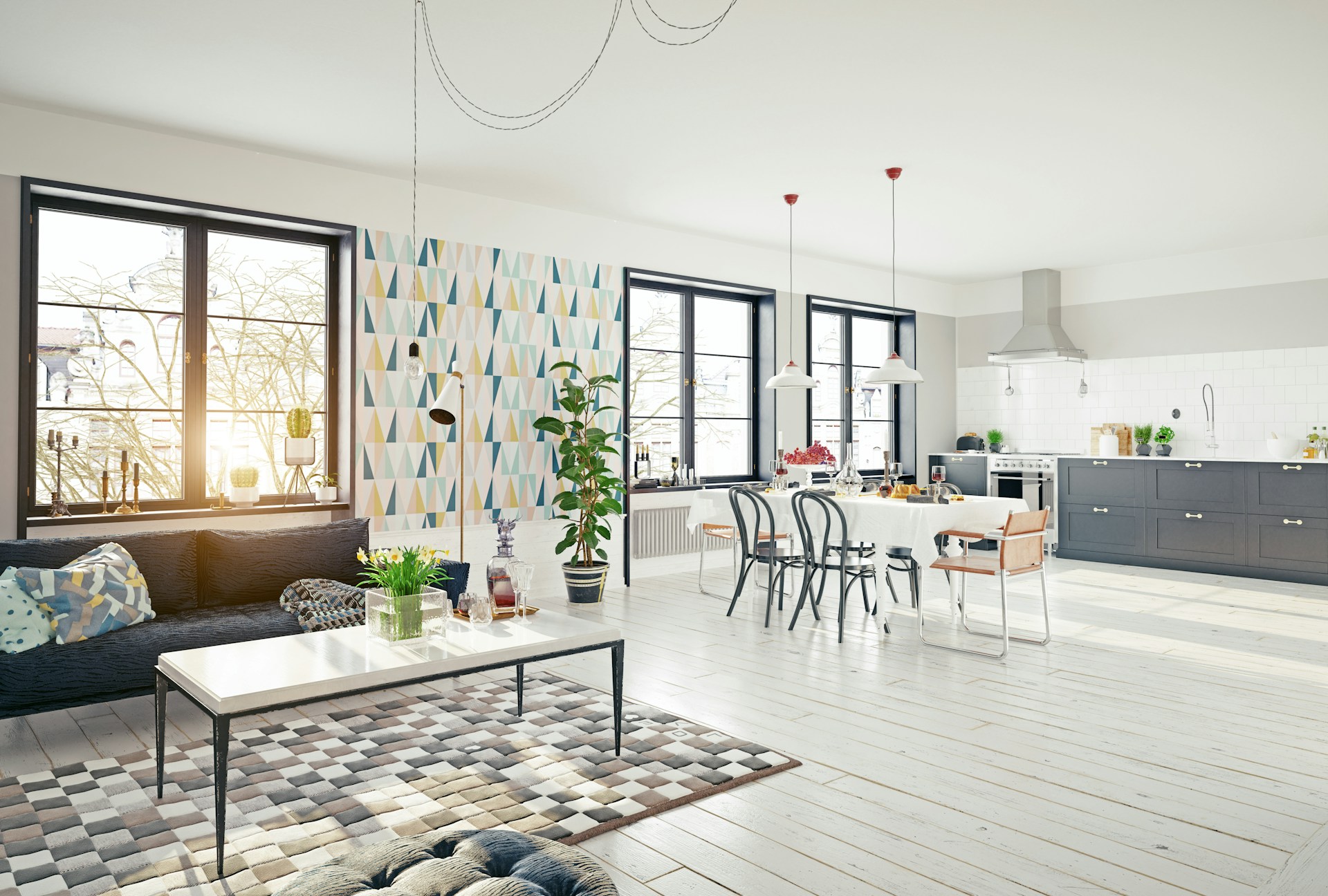
Interior design is no longer about following strict rules or copying showroom looks. This year, design trends focus on comfort, flexibility, and real-life living. Homes now reflect personality, daily habits, and emotional well-being. As a result, spaces feel warmer, more relaxed, and easier to enjoy.
If you are ready to transform your space, these interior design trends of the year offer inspiration without pressure. You can adopt them slowly, mix them freely, and adjust them to fit your lifestyle. Let’s explore what is shaping modern homes and how you can bring these ideas into your own space.
Softer Color Palettes Create a Calm Foundation
Color trends this year move toward soft, soothing tones. Instead of stark whites or cold grays, designers favor creamy whites, warm beige, light clay, and gentle greige. These colors create a calm background that works well with many styles.
Because soft colors reflect natural light, rooms feel brighter and more open. They also make it easier to layer decor over time. For example, a neutral wall allows you to change pillows, rugs, or art without repainting. This flexible approach helps homeowners refresh their space with less effort.
Organic Shapes Bring Flow and Ease
Sharp edges and rigid lines are giving way to softer forms. Curved sofas, rounded coffee tables, and arched mirrors appear in many interiors this year. These shapes help rooms feel more inviting and less formal.
In addition, organic shapes add visual interest without relying on bold colors. A curved chair can become a focal point even in a neutral room. Because of this, designers often use shape as a design tool to create balance and movement.
Natural Materials Add Warmth and Texture
Natural materials continue to play a significant role in this year’s interior design trends. Wood, stone, rattan, jute, and linen appear in furniture, flooring, and decor. These materials add texture and warmth, which helps spaces feel grounded.
For instance, a wooden dining table brings character to a room, while linen curtains soften the light. When combined, natural elements create a layered, lived-in look. As a result, homes feel cozy yet refined.
Sustainability Influences Design Decisions
Sustainable design is now a priority, not an afterthought. Many people choose quality over quantity and invest in pieces that last. Furniture made from recycled materials or responsibly sourced wood has become more common.
Vintage and thrifted items also gain popularity. They reduce waste while adding unique charm. For example, a second-hand cabinet can become a statement piece with minor updates. This trend proves that eco-friendly choices can also be stylish.
Comfort-Driven Furniture Takes the Lead
Comfort shapes furniture design more than ever. Sofas feel deeper, cushions feel softer, and seating invites relaxation. Because homes now serve many purposes, furniture must support rest, work, and social time.
Designers often choose oversized seating and plush fabrics, such as cotton blends and textured weaves. At the same time, flexible furniture such as sectionals and modular pieces allows easy rearranging. This focus on comfort helps homes adapt to changing needs.
Accent Colors Add Energy Without Overpowering
While neutrals dominate the base, accent colors bring life into a space. This year, earthy greens, muted blues, warm rust, and soft gold tones stand out. Designers use these colors carefully to avoid overwhelming the room.
Accent colors often appear in throw pillows, artwork, or small furniture pieces. Because these items are easy to swap, homeowners can experiment without commitment. This balance keeps interiors fresh and personal.
Layered Lighting Enhances Mood and Function
Lighting design has become more thoughtful and layered. Instead of a single central light, designers combine multiple light sources to create depth. Floor lamps, table lamps, wall lights, and pendants all work together.
For example, soft evening lighting creates a relaxing mood, while task lighting supports work or reading. Decorative fixtures also act as design features. As a result, lighting now shapes both function and style.
Texture Plays a Bigger Role in Simple Spaces
Minimal interiors remain popular, yet they no longer feel flat. Texture adds interest without clutter. Designers mix smooth surfaces with rough ones to create contrast.
A soft rug paired with a stone table or woven baskets next to sleek cabinets adds depth. Textured wall finishes, such as plaster or subtle paneling, are also appearing more often. These details help simple spaces feel rich and complete.
Personal Expression Takes Priority Over Perfection
One of the strongest interior design trends this year is authenticity. Homes should tell a story, not follow a formula. Personal items such as photos, books, art, and travel finds now take center stage.
Designers encourage mixing old and new pieces. A modern sofa can sit beside a vintage lamp without issue. Because of this freedom, spaces feel more human and welcoming. When you transform your space with personal touches, it becomes more meaningful.
Flexible Layouts Support Changing Lifestyles
Modern homes must adapt quickly. Therefore, flexible layouts have become essential. Open floor plans now include defined zones for work, rest, and play.
Furniture placement helps create these zones. For example, a rug can separate a living area from a workspace. Storage solutions also support flexibility by keeping clutter out of sight. This trend helps homes function better for daily life.
Kitchens Feel Warmer and More Inviting
Kitchen design continues to evolve beyond pure function. This year, kitchens feel warmer and more connected to the rest of the home. Natural wood cabinets, soft colors, and open shelving create a welcoming atmosphere.
Designers also add decorative lighting and simple decor to kitchens. These touches make the space feel lived in, not clinical. As a result, kitchens become gathering places rather than just work zones.
Easy Ways to Update Your Home This Year
You do not need a complete makeover to follow this year’s interior design trends. Start with minor updates that fit your budget. Change lighting, add textured fabrics, or introduce one accent color.
Focus on comfort and function first. Then, layer in personal details that make you smile. Trends should guide you, not control you. When your home supports your lifestyle, it will always feel stylish.
By embracing these ideas, you can transform your space into a home that feels current, comfortable, and true to you. This year’s trends remind us that good design starts with how we live.