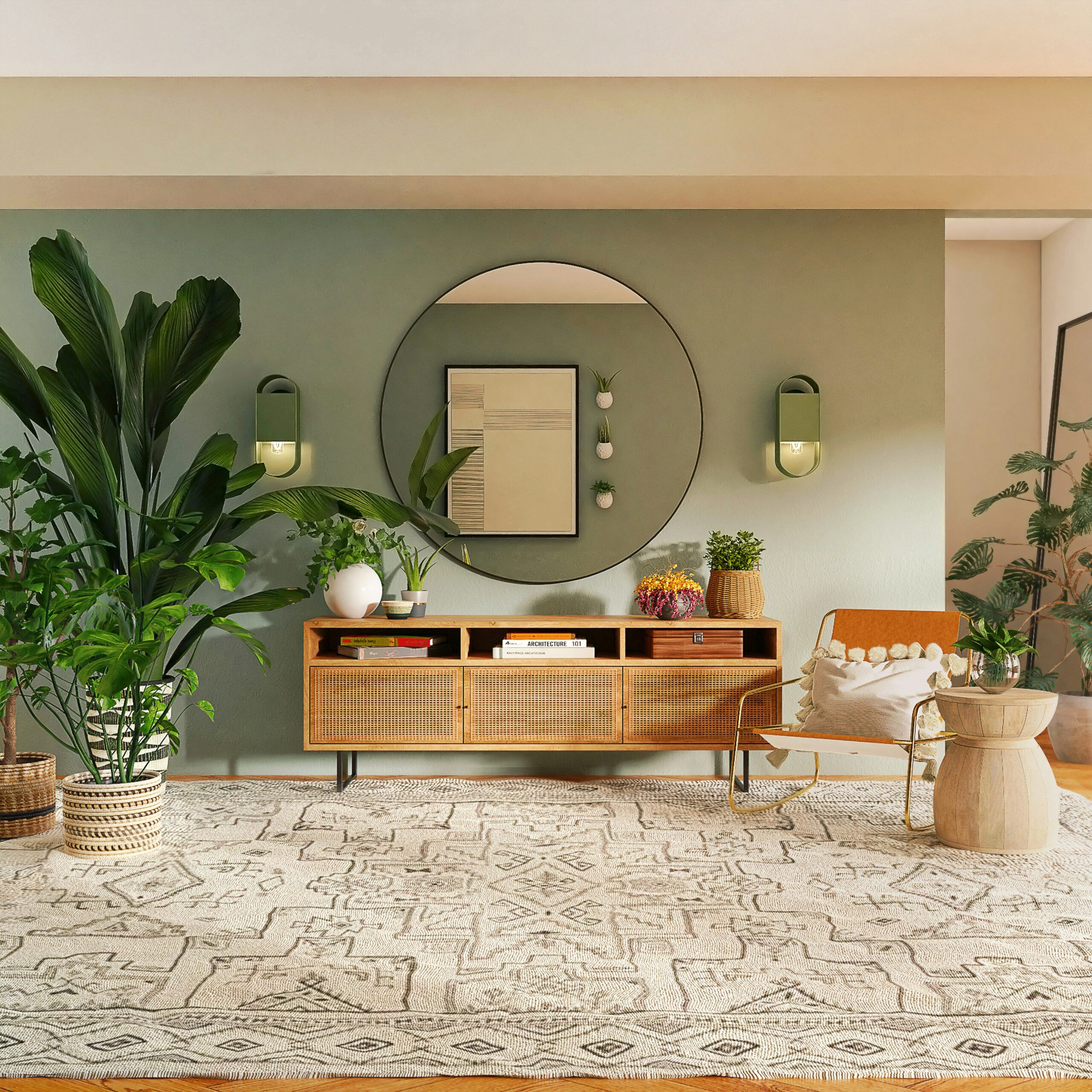
Urban living, rising property costs, and changing lifestyles have made compact homes more common than ever. Limited square footage no longer means limited comfort or style. With the right interior design approach, small spaces can feel open, organized, and highly functional. Thoughtful planning, wise furniture choices, and visual strategies enable homeowners to create inviting environments that balance usability and aesthetics.
Understanding the Potential of Small Spaces
The key to designing compact interiors lies in recognizing their potential rather than focusing on constraints. Small spaces encourage intentional design, where every element serves a purpose. When layouts are carefully planned, even the smallest homes can support comfortable living, efficient storage, and visual balance.
Designers who approach compact homes strategically prioritize flow, flexibility, and proportion. This mindset transforms limitations into opportunities for creativity and innovation.
Space Planning That Enhances Flow
Effective space planning is the foundation of successful compact interiors. Clear circulation paths prevent rooms from feeling cramped and improve daily functionality. Open layouts help connect areas visually and reduce the sense of confinement.
Zoning techniques also play an essential role. Using furniture placement, lighting, or subtle material changes to define areas allows a single space to serve multiple purposes without physical barriers. This approach maintains openness while supporting distinct activities.
Multifunctional Furniture for Everyday Living
Furniture that serves multiple functions is essential in compact homes. Items such as storage beds, extendable dining tables, and modular sofas maximize usability without increasing clutter. Multifunctional furniture reduces the need for excess pieces, freeing up valuable floor space.
Choosing furniture with clean lines and appropriate scale is equally important. Oversized items overwhelm small rooms, while well-proportioned pieces maintain balance and comfort. Flexibility ensures spaces adapt easily to changing needs.
Vertical Design and Smart Storage Solutions
When floor space is limited, vertical design becomes a powerful tool. Utilizing wall height for storage, shelving, and cabinetry keeps essentials accessible while preserving open areas. Floor-to-ceiling units make rooms feel taller and more organized.
Built-in storage solutions are particularly effective. Custom cabinetry, under-stair storage, and recessed shelving integrate seamlessly into the design, reducing visual clutter. Organized storage enhances both functionality and visual calm.
Light, Color, and Visual Expansion
Color and light significantly influence how a space is perceived. Lighter color palettes reflect natural light, making rooms appear larger and brighter. Neutral tones combined with subtle contrasts create depth without overwhelming the space.
Natural light should be maximized wherever possible. Sheer window treatments, strategically placed mirrors, and reflective surfaces help evenly distribute light. Thoughtful lighting design, including layered lighting, prevents shadows and adds dimension to compact interiors.
Mirrors and Reflective Surfaces for Depth
Mirrors are a classic design tool for visually expanding small spaces. When placed strategically, they reflect light and create the illusion of additional depth. Large mirrors or mirrored panels can double the perceived size of a room.
Glossy finishes, glass elements, and metallic accents also contribute to visual openness. These surfaces bounce light around the room, enhancing brightness without adding bulk or clutter.
Minimalism and Intentional Styling
Compact interiors benefit significantly from a minimalist approach. Reducing unnecessary items creates breathing room and highlights key design elements. Minimalism does not mean sacrificing personality; instead, it means curating meaningful pieces that add value.
Intentional styling focuses on quality over quantity. Carefully selected artwork, textiles, and decorative accents add character while maintaining a clean, cohesive look. This balance prevents small spaces from feeling crowded.
Flexible Layouts for Changing Needs
Flexibility is essential in compact living environments. Spaces that adapt to different activities throughout the day offer greater functionality. A dining table may double as a workspace, while a living area can easily transform into a guest room.
Movable partitions, folding screens, and modular furniture support this adaptability. Flexible layouts ensure compact homes remain practical as lifestyles evolve.
Texture and Material Choices That Add Warmth
Small spaces can sometimes feel stark if not carefully designed. Texture and material selection add warmth and depth without occupying additional space. Soft textiles, natural materials, and layered finishes create a welcoming atmosphere.
Using consistent materials throughout the home also enhances visual continuity. Cohesive material palettes make spaces feel larger by reducing visual fragmentation.
Technology and Smart Design Integration
Modern technology enhances compact living by improving efficiency and comfort. Bright lighting, space-saving appliances, and integrated storage systems streamline daily routines. Technology allows homeowners to maximize functionality while maintaining a clean aesthetic.
Integrated solutions reduce visual clutter by consolidating controls and eliminating unnecessary devices. Thoughtfuldesign supports both convenience and visual simplicity.
Creating Comfort Without Compromise
Comfort is just as important as functionality in small spaces. Thoughtful seating, proper lighting, and personalized touches ensure compact homes feel inviting. Ergonomic furniture and well-designed layouts support everyday comfort without sacrificing space.
Personalization brings warmth and individuality. Meaningful decor, artwork, and color accents reflect personality while maintaining design harmony.
Long-Term Benefits of Smart Compact Design
Well-designed small spaces offer long-term advantages. Efficient layouts reduce maintenance, improve organization, and support sustainable living. Thoughtfully designed compact homes are easier to adapt, more energy-efficient, and often more cost-effective.
By focusing on intelligent planning and purposeful design, homeowners can create spaces that feel larger, function better, and support modern lifestyles.
Making Every Square Foot Count
Compact living does not require compromise when design is intentional. Through intelligent planning, multifunctional solutions, and thoughtful styling, small spaces can deliver comfort, beauty, and efficiency. When every square foot is used wisely, even the smallest home can feel expansive, balanced, and uniquely personal.